


A twisted ankle on the soccer field. A tweaked back during a deadlift. A shoulder that has ached since the last tournament. Whether you play varsity, run weekend 5Ks, or chase your kids around the soccer sideline, getting hurt is frustrating, and playing through it rarely helps.
At West Des Moines Chiropractic, Dr. Caleb Sneller helps athletes of every level understand what is going on with their bodies, recover from sports injuries, and move better when they return to the game. This page covers common sports injuries, when to seek emergency care, and how sports injury rehabilitation works at our clinic.
Merck Manuals groups sports injuries into four main categories: overuse injuries, blunt trauma, fractures and dislocations, and sprains and strains. Here is how they tend to show up in real life.
A sprain is a stretched or torn ligament, and a strain is a stretched or torn muscle. Ankle rolls, hamstring pulls, and lower back strains from sudden direction changes or heavy lifts are classic examples.
These build up gradually. Runners who add mileage too fast, swimmers, pitchers, and weekend warriors who ramp up too quickly can develop nagging pain in the shins, knees, hips, or shoulders.
Tackles, checks, elbows, and direct hits can cause bruising, joint injuries, and neck or back strain.
Wet courts, icy practice fields, uneven turf, and hard landings are common culprits. An Iowa winter adds slick parking lots and frozen ground to the list. Falls can strain the wrist, shoulder, hip, and spine even when nothing seems broken.
Knees, shoulders, hips, and ankles can become sore and restricted after a hard season or a single awkward movement.
Fractures and dislocations need medical attention right away. Merck Manuals advises that people who suspect either injury should stabilize the limb and go to the emergency department for evaluation and imaging.
Seek emergency care if you have:
After a fracture has been treated and your medical team has cleared you for activity, stiffness, tight muscles, and movement problems in surrounding areas can linger. That is a stage where our team may be able to help you ease back into motion.
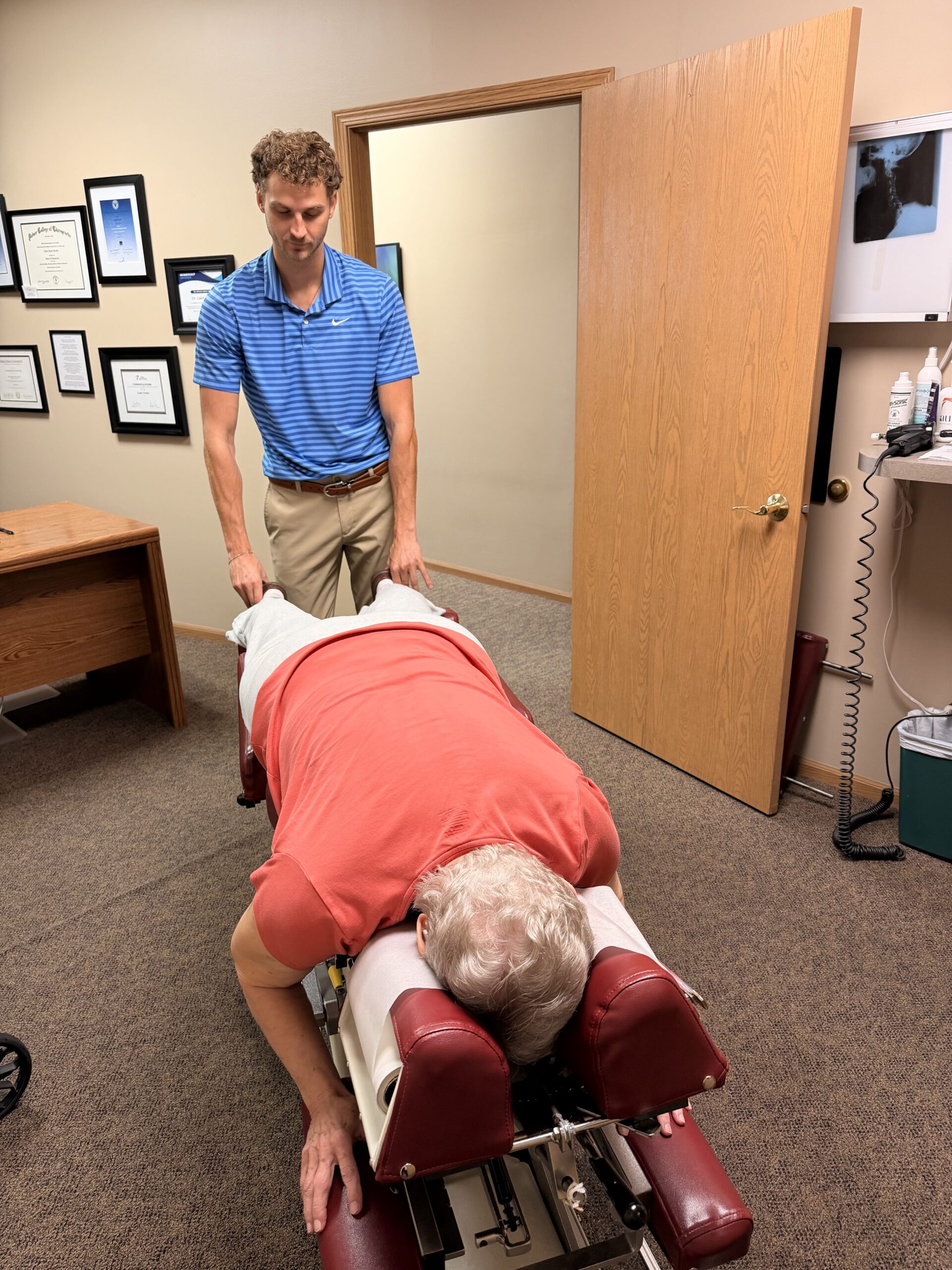
Good sports rehab is not just about calming pain. It is about finding out why the injury happened so it does not keep coming back.
1. Listen and evaluate. We start with how the injury occurred, your sport, your training load, and your goals. Dr. Sneller then examines how you move, looking at joints, muscles, posture, and the way force travels through your body.
2. Reduce pain and irritation. Depending on your findings, care may include chiropractic adjustments, soft tissue therapy, or laser light therapy to ease pain and tension.
3. Restore movement. Stiff joints and tight tissue are addressed so you can move normally again.
4. Rebuild and return. The final phase focuses on movement quality and habits that support a safe return to your sport. This is where many athletes get the most long-term value.
If your exam shows you need imaging, a physician’s evaluation, or ongoing physical therapy, we will tell you and refer you appropriately. Chiropractic care and physical therapy can complement each other, and we are glad to work alongside your other providers.
Many athletes try to wait out an injury. Short-term rest is often wise, but Merck Manuals points out that continuing to play through pain can extend tissue damage and delay recovery. At the same time, complete inactivity can weaken muscles and cost you conditioning.
A smart middle path is to get checked, learn what is safe to do, and stay active in ways that do not stress the injured area. That is exactly what a personalized rehab plan is designed to give you.

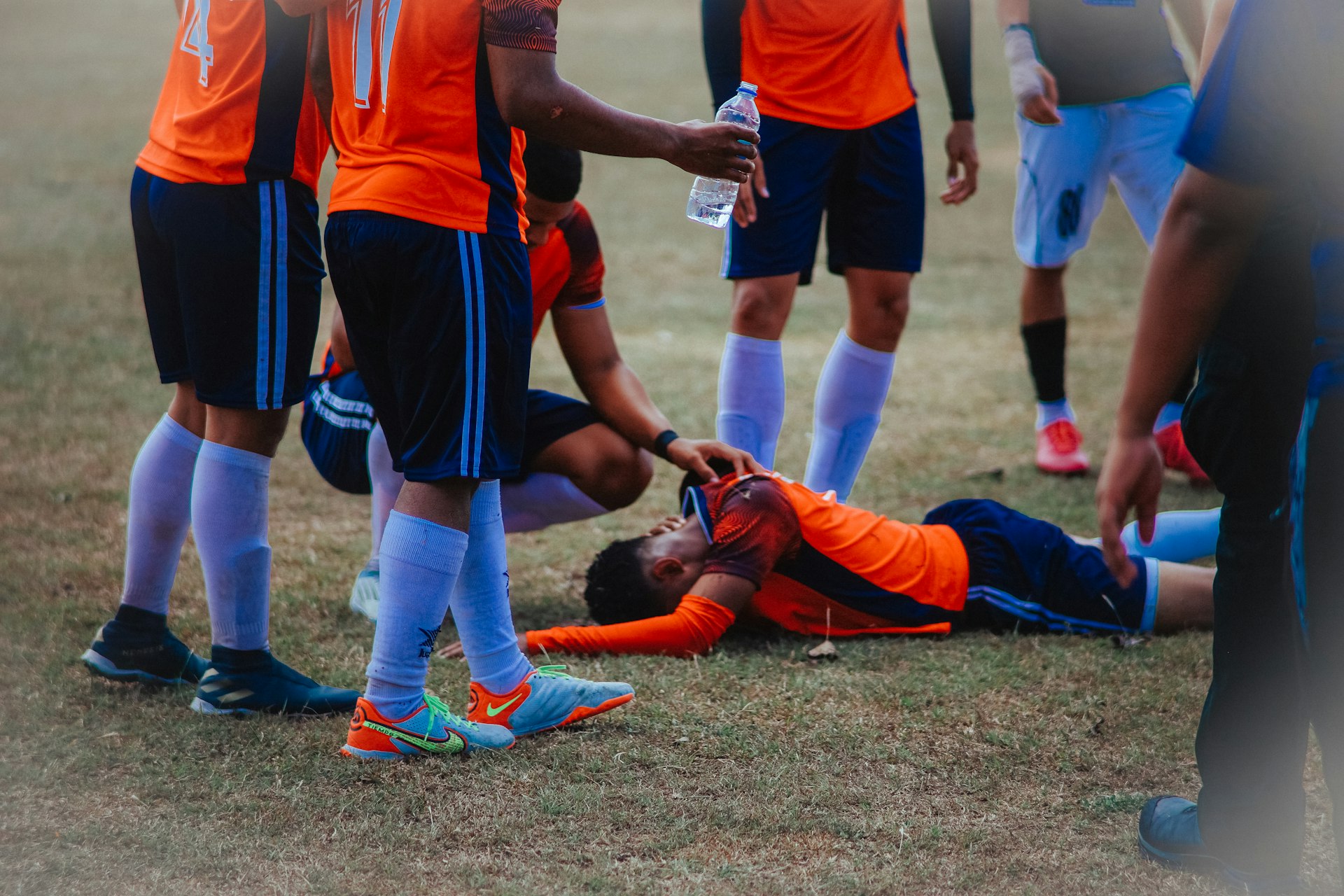
Teen and youth athletes face their own risks. Merck Manuals notes that children who play a single sport year-round or move from one season to the next without a break are at higher risk of overuse injuries. Persistent pain, a drop in performance, or reluctance to play can be early clues.
If your high school athlete is dealing with ongoing soreness, an evaluation can help catch problems before they sideline a season.
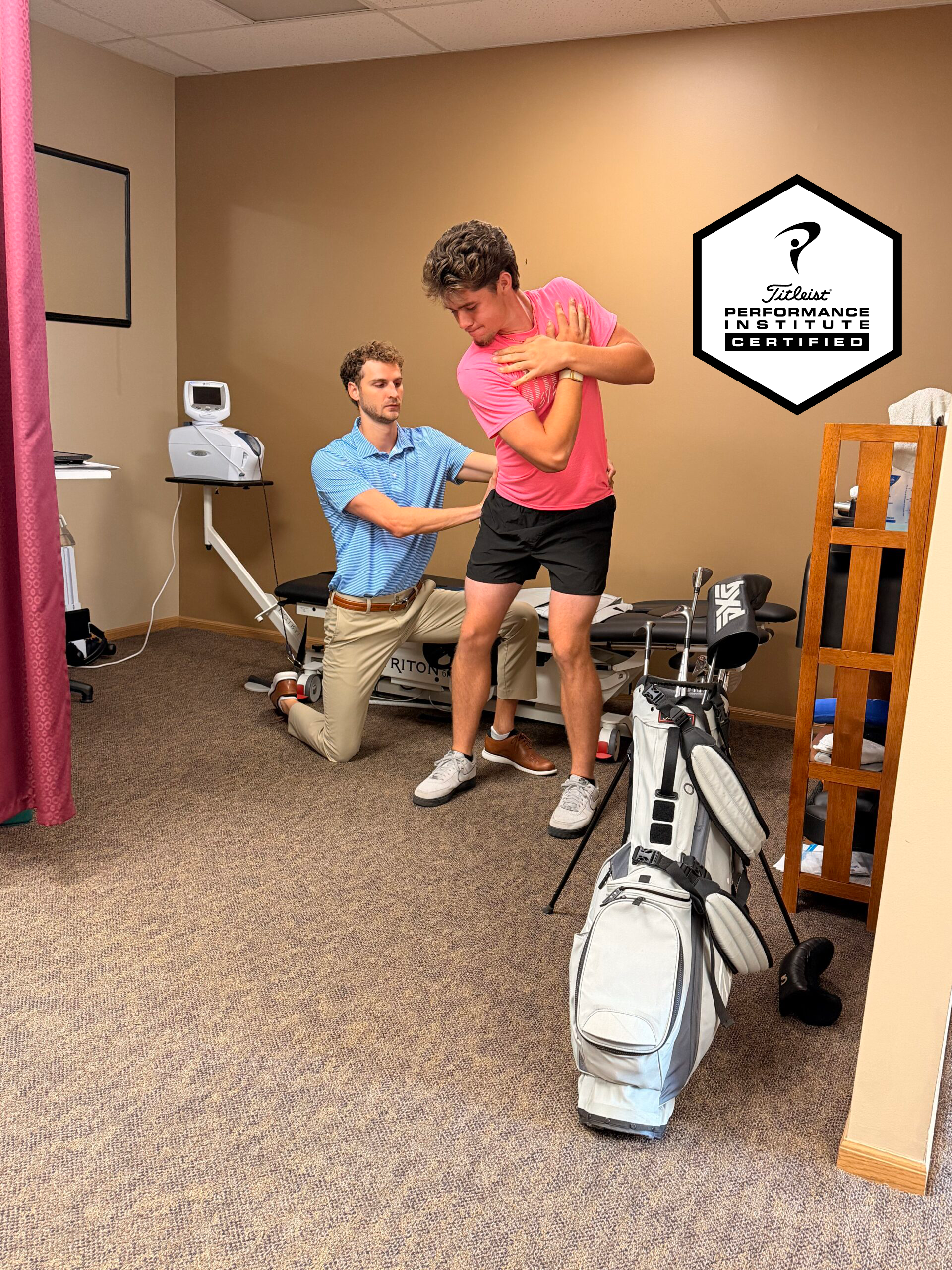
Golf, baseball, tennis, and other rotational sports put repeated twisting stress on the spine, hips, and shoulders. We also offer Titleist Performance Institute screenings for golfers who want to see how their body movement may be affecting their swing and their pain.

Consider booking a visit if:
Not typically. You can contact our front desk directly to schedule an evaluation.
Yes. Bring any paperwork with you. Imaging and ER care rule out emergencies, and rehab addresses the movement and soft tissue problems that often remain.
They are related but not identical. Both aim to restore function. Depending on your injury, you may benefit from one, the other, or both, and we will advise you honestly.
It depends on the type and severity of the injury, your age, and your overall health. After your exam, Dr. Sneller will explain what a realistic timeline looks like.
For fresh injuries, many people use the PRICE approach: protection, rest, ice, compression, and elevation. If pain or swelling is severe or lasts more than a few days, get evaluated.
Addressing joint restrictions, muscle imbalances, and movement habits can reduce strain on your body. Warm-ups, proper equipment, and smart training progression matter as well.
Do not let a nagging injury define your season. Call West Des Moines Chiropractic at (515) 267-1600 or email frontdesk@westdsmchiropractic.com to schedule your sports injury evaluation.
West Des Moines Chiropractic
5907 Ashworth Rd, West Des Moines, IA 50266