


You turn your head to check a blind spot and it catches. You wake up with a stiff neck that was not there yesterday, three days after a fender bender. Or a headache keeps creeping up from the base of your skull and nothing seems to shake it.
These are some of the most common signs of a whiplash injury, and they are easy to dismiss. At West Des Moines Chiropractic, Dr. Caleb Sneller helps people understand what is behind their neck pain and builds a care plan to help them move comfortably again.
Whiplash is a neck injury caused by a forceful, rapid back-and-forth motion of the head and neck, much like the cracking of a whip. Mayo Clinic notes that it is a soft tissue injury often called a neck sprain or strain, and it is most commonly caused by rear-end car crashes.
The muscles, ligaments, and joints of your neck are designed for smooth, controlled movement. When sudden force whips your head beyond its normal range, those tissues can stretch, tear, or become irritated. The result is pain, stiffness, and sometimes symptoms that show up far from the neck itself.


Whiplash symptoms vary from person to person. Common signs include:
Not everyone has every symptom, and the pattern can change from day to day. Headaches have many possible causes, so if you are getting frequent headaches or migraines after a neck injury, an exam can help determine whether your neck may be contributing.
Many people feel okay right after the incident. MedlinePlus explains that whiplash pain may take hours to weeks to develop. Swelling, inflammation, and protective muscle tightening build gradually, so the second or third morning is often the hardest.
If you notice neck pain after a car accident, do not wait for it to “work itself out.” Early attention can make it easier to understand what is happening and avoid the cycle of tension and restricted movement that keeps pain going.
A car crash is the classic cause, but whiplash and other neck injuries can happen in many situations:
Winter in Iowa adds its share of icy falls, so a neck that feels “off” after a slip on the driveway is worth checking out too.
Neck injuries can occasionally involve more than muscle and ligament strain. Go to the ER right away if you have severe or worsening neck pain after significant trauma, loss of consciousness, confusion, weakness, loss of coordination, or numbness that is spreading. Once emergencies are ruled out, ongoing stiffness and pain can be addressed with focused conservative care.
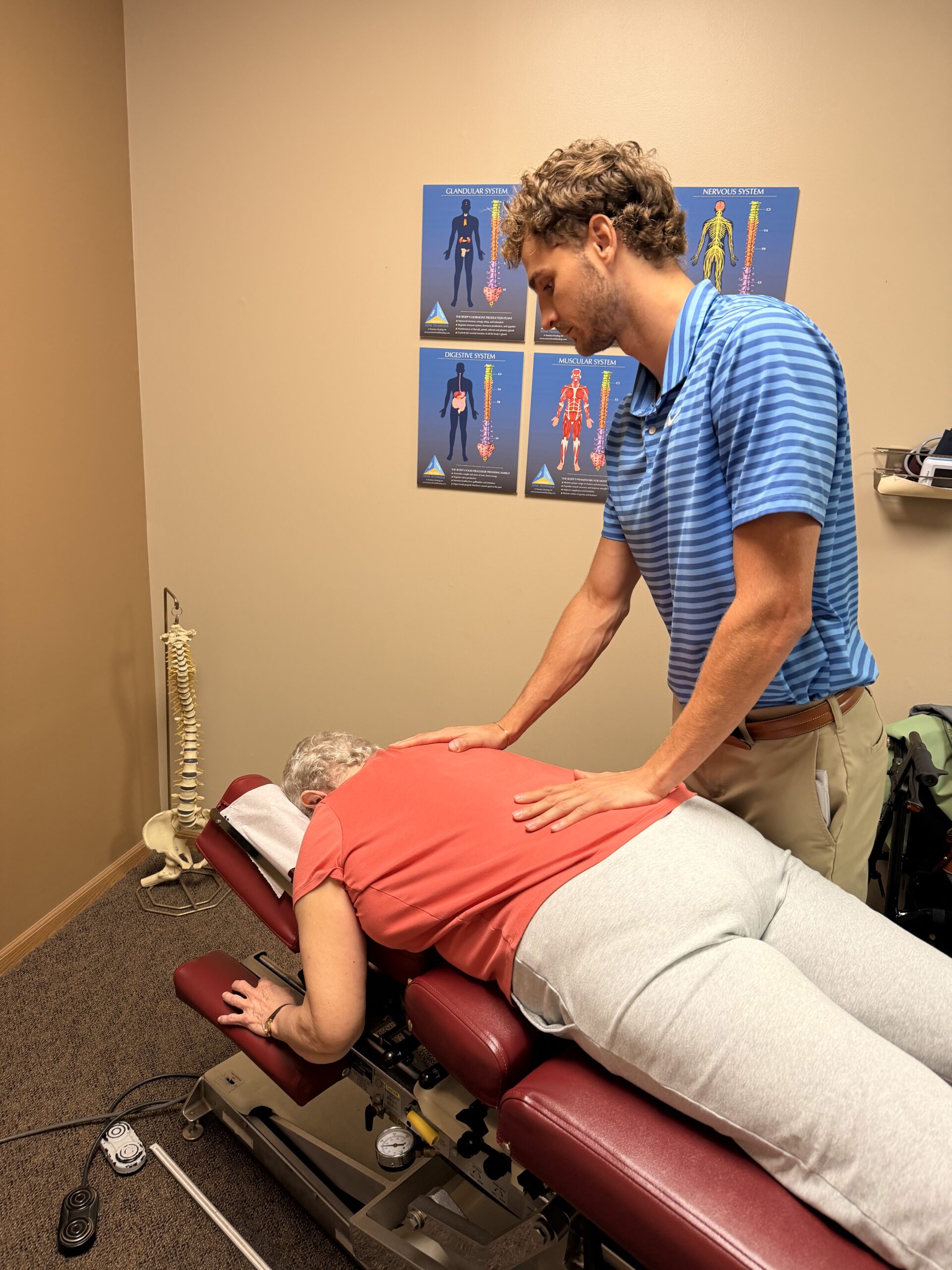
Every neck injury is different, so care begins with listening and testing. Dr. Sneller will ask how the injury happened, review your symptoms, and examine how your neck, shoulders, and upper back move.
Based on what is found, your plan may include:
The goal is to help you reduce pain, restore motion, and get back to the things whiplash has made harder, like driving, working at a computer, playing with your kids, or turning to look behind you without wincing. If your findings suggest you need imaging or a different kind of care, we will refer you to the right provider.
Many people with whiplash feel better within a few weeks, but some have pain for months or longer. Mayo Clinic lists several factors linked to slower recovery, including intense symptoms at the start, pain that spreads to the arms, a prior whiplash injury, older age, existing neck or low back pain, and a high-speed impact.
That does not mean you are in for a long road if you have one of these factors. It simply means a proper evaluation and a personalized plan are worth the effort.
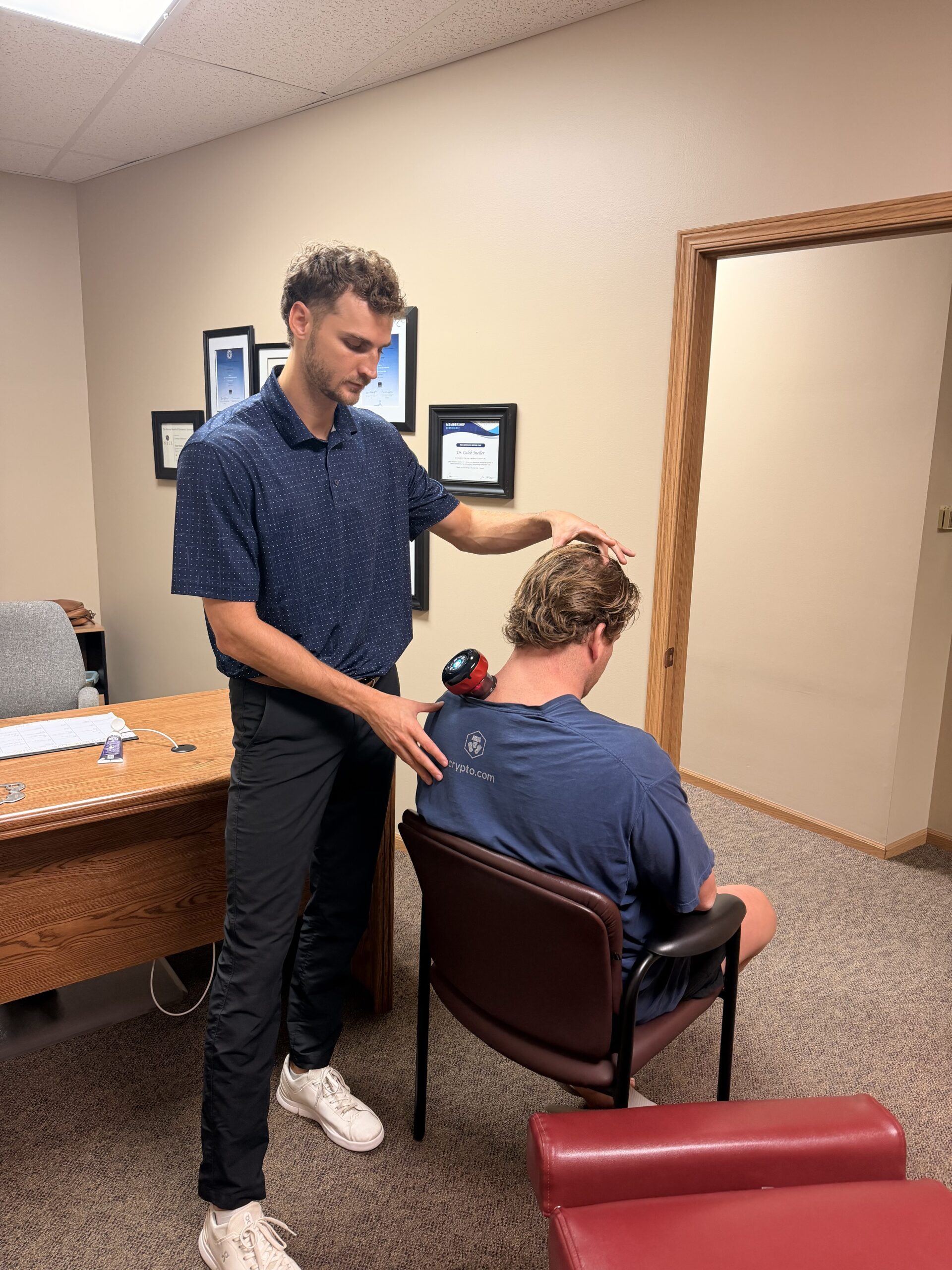
Soreness that follows a crash, fall, or sports hit and comes with stiffness, headaches, or pain into the shoulders or arms points toward a whiplash-type injury. A physical exam is the best way to tell.
It can. Even lower-speed impacts can strain the neck, and every person responds differently. Do not judge an injury by how much the car was damaged.
Headaches are a common whiplash symptom, and some people describe migraine-like pain after a neck injury. Because headaches have many causes, your provider will look at the whole picture.
Irritated joints, tight muscles, or an affected nerve or disc in the neck can send discomfort into the shoulder, upper back, or arm. Tingling or numbness should be evaluated promptly.
Care begins with a thorough exam to make sure it is appropriate for you. If something needs medical attention first, you will be told and referred.
As soon as you can after your symptoms begin. Early evaluation helps you understand what is going on and start the right plan.
Call West Des Moines Chiropractic at (515) 267-1600 or email frontdesk@westdsmchiropractic.com to schedule your whiplash evaluation.
West Des Moines Chiropractic
5907 Ashworth Rd, West Des Moines, IA 50266